EU Expands Sanctions to Foreign Crypto Exchanges
The EU banned transactions with HTX and 13 crypto platforms accused of helping Russia evade sanctions.


The European Union has expanded its sanctions against Russia, banning transactions with Justin Sun’s HTX exchange and 13 other cryptocurrency platforms. BitPapa and the A7 networks are among those added to the sanctions list.
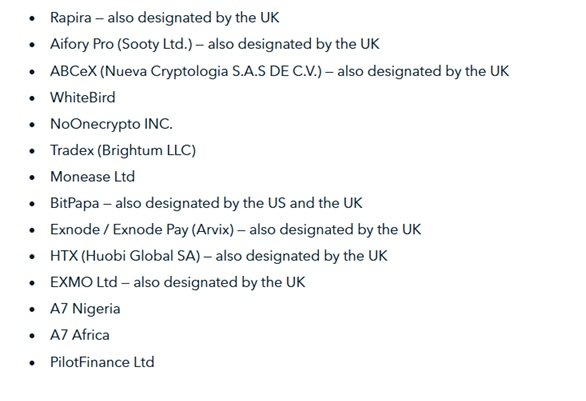
The companies operate in the United Arab Emirates, Panama, Georgia, the Marshall Islands, Kyrgyzstan and Belarus. Individuals and businesses based in the EU are now prohibited from doing business with them.
According to the Council of the European Union, the platforms helped sanctioned Russian entities transfer funds and circumvent restrictions. HTX has attracted particular attention, having already been subjected to a UK transaction ban in May.
In an apparent attempt to make its assets more difficult to freeze, HTX transferred its reserves to an undisclosed third party and began rotating its hot wallets. This made it harder to monitor transactions for potential sanctions violations.
After being cut off from the SWIFT banking system, Russia began using cryptocurrencies to settle oil exports and other international trade. It also accelerated work on its own crypto regulations. Venezuela and Iran had previously taken a similar path.
The EU’s new approach means sanctions can now target platforms operating outside the bloc—and potentially even entire countries or regions. According to Chainalysis, regulators are changing how they view the responsibilities of cryptocurrency companies. Platforms that fail to block sanctioned customers may themselves lose access to the European market.
The measures also serve as a warning to countries that allow companies supporting Russia to operate within their borders. The United States has adopted similar measures, freezing more than $1 billion in cryptocurrency linked to Iran and imposing sanctions on local companies and their executives.