Tensions rise over U.S.–Korea investment deal
South Korea and the United States Disagree Over Terms of a $350 Billion Investment

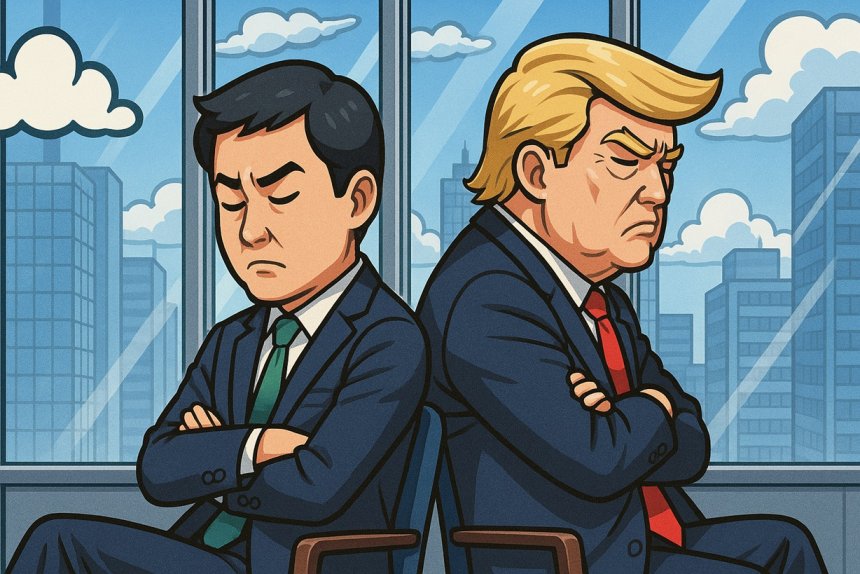
Talks between South Korea and the United States have stalled over a massive $350 billion investment deal. The agreement was meant to help Seoul secure relief from U.S. tariffs on Korean exports, especially in the automotive sector.
The main issue is how much of the funding South Korea should provide in cash and how much through loans or guarantees. The United States wants around $200 billion in cash over eight years. South Korea says it can safely contribute about $15 billion per year without weakening its reserves or straining its economy.
On October 20, Industry Minister Kim Jung-kwan said that Washington had softened its position, but the gap between both sides remains significant.
Why This Matters
A larger cash contribution means more dollars leaving South Korea. That puts pressure on the won—the national currency—and makes it harder for banks and companies to access local funding. As a result, businesses tend to hold onto U.S. dollars, which raises borrowing costs and slows financial activity.
If the United States agrees to a phased or credit-based funding plan, South Korea would maintain better financial stability and a more stable won. This could also increase the chances of easing U.S. tariffs on Korean exports.
Impact on the Crypto Market
Changes in cash flows and currency stability immediately affect the cryptocurrency market in South Korea. When liquidity in won decreases, trading in KRW crypto pairs becomes more difficult. Traders then move to U.S. dollar or stablecoin pairs.
If Seoul and Washington reach an agreement that stabilizes the won, the Korean crypto market could recover. Trading volumes would grow, price spreads would narrow, and altcoins would gain more investor attention.
The deal with the United States is therefore crucial not only for trade and the economy but also for the health of South Korea’s crypto market.