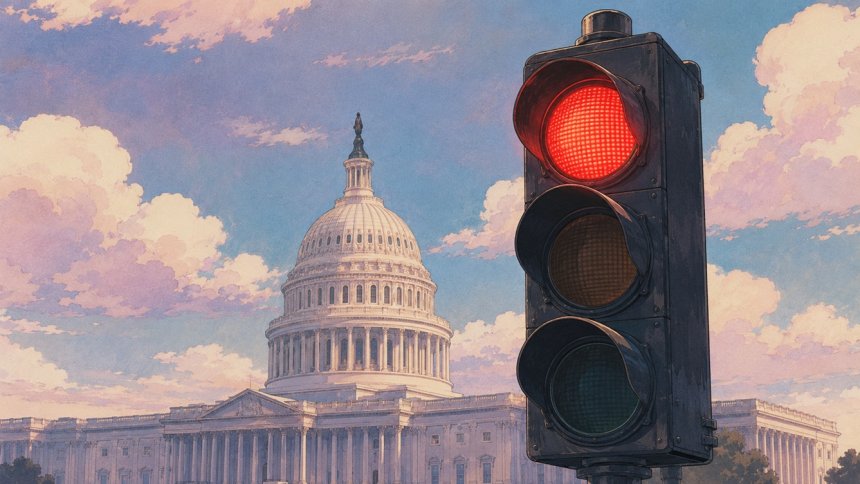
Tax Dispute in California Gains Momentum
Ripple funds campaign to block California’s proposed billionaire tax before public vote.


A political battle is intensifying in California as Ripple Labs commits millions of dollars to oppose a proposed tax targeting the state’s wealthiest residents. The company’s co-founder, Chris Larsen, has also joined the effort.
The proposed legislation, known as the 2026 Billionaire Tax Act, would introduce a one-time 5% tax on the net worth of California residents with at least $1 billion as of January 1, 2026. The tax would be collected in 2027. Supporters argue that the funds could significantly boost healthcare, education, and food assistance programs.
Ripple and Larsen have each donated $5 million to the Golden State Promise committee, which is campaigning against the tax. The combined $10 million contribution provides a major boost to the opposition effort. By doing so, Ripple joins other prominent California-based tech players such as Coinbase, Kraken, and Solana Labs in resisting the proposal.
The tax is designed as a one-time measure rather than a recurring levy. Most of the revenue would be directed toward public healthcare, with smaller portions allocated to education and food support initiatives. Advocates claim the measure could generate billions of dollars to assist lower-income communities.
However, critics warn that the tax could drive wealthy individuals and entrepreneurs out of California. They also highlight the challenges of accurately valuing assets such as shares in private companies. The proposal has drawn notable criticism from within the tech industry as well.
Before it can be implemented, the measure must first qualify for a public vote in November. Only then will California residents decide its fate. In the meantime, the Golden State Promise committee plans to use its funding for an extensive informational and advertising campaign.
The situation reflects a broader shift in the debate over taxing the ultra-wealthy, expanding beyond politics into a wider public discussion about the role of major corporations and investors in the economy.