
PYUSD Expands to 70 Countries
PayPal rolls out PYUSD globally, lowering transfer costs and expanding financial flexibility.

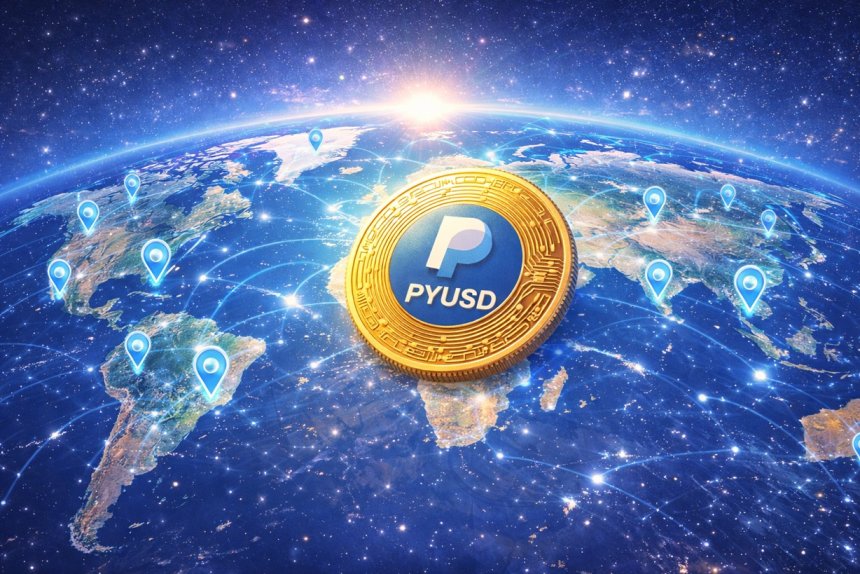
PayPal is expanding access to its stablecoin, PayPal USD (PYUSD). Until now, it was mainly available to users in the United States and the United Kingdom, but the service is now reaching a much broader audience. In March, PYUSD is set to become available in a total of 70 countries.
The expansion covers multiple regions, including Europe, Latin America, Asia, and North America. This means users will not only be able to store funds in a digital dollar, but also send and receive money directly through their PayPal accounts.
The main goal of this move is to simplify international transfers. Previously, users in many countries had to withdraw funds in their local currency, often incurring additional fees. With PYUSD, users will be able to hold their balance in US dollars, potentially reducing currency conversion and transfer costs. The new feature also adds flexibility. In some countries, PayPal funds were automatically transferred to a recipient’s bank account, leaving no option to keep the money on the platform. With PYUSD, users can retain their funds in their account and use them at a later time.
Additionally, PayPal is introducing rewards for holding the stablecoin. Users in newly supported markets will also be able to transfer funds to external digital wallets. PYUSD was launched in August 2023 in partnership with Paxos Trust, which is responsible for its issuance. It is currently one of the largest US dollar-backed stablecoins, with a market capitalization of around $4.1 billion, ranking it seventh globally.
The year 2025 marked a period of rapid growth for the project. PYUSD’s market value increased by 600 percent, rising from approximately $500 million at the beginning of the year to $3.6 billion by the end.
Finally, it’s worth noting that the stablecoin market is growing rapidly and attracting more major players from both the financial and technology sectors. This interest is largely driven by the potential for faster and cheaper international payments. Forecasts highlight the scale of this trend. According to Citi, the market could reach around $1.9 trillion by 2030, or even as much as $4 trillion in a more optimistic scenario. This suggests that stablecoins may become a key component of the global financial system in the coming years.