Bolivia Considers Integrating USDT
Bolivia is weighing USDT integration and preparing new regulations for the country's crypto market.

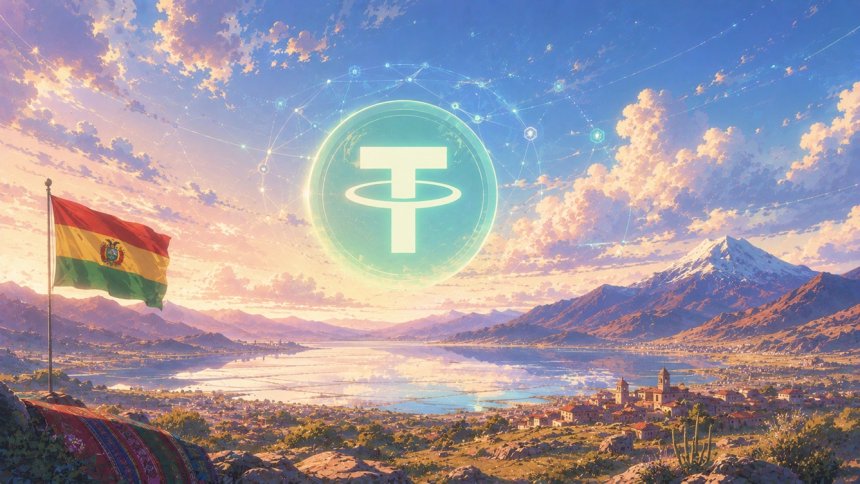
Bolivia is considering integrating Tether's USDT stablecoin into its national payments system. The government is assessing whether USDT could be used alongside the boliviano and the U.S. dollar for domestic transactions. The proposal is currently undergoing a technical review, and no implementation framework has been announced. USDT has not been granted legal tender status.
Economy Minister José Gabriel Espinoza said authorities are drafting a regulatory framework for banks, digital wallets, and payment service providers. Introducing a stablecoin into the financial system would also require stricter anti-money laundering (AML) rules. This is particularly important as Bolivia remains on the Financial Action Task Force (FATF) grey list, placing the country's financial system under increased international scrutiny.
The proposal reflects Bolivia's broader shift toward digital assets. In June 2024, the central bank lifted restrictions on cryptocurrency transactions, triggering a sharp rise in market activity. The value of crypto transactions increased from $46.5 million in the first half of 2024 to $294 million a year later. According to the central bank, the total transaction volume has grown by 630% since the restrictions were removed.
Growing interest in cryptocurrencies is largely driven by a shortage of U.S. dollars in the country. After abandoning its long-standing fixed exchange rate in favor of a floating currency regime earlier this year, businesses and consumers have increasingly turned to alternative payment methods.
The shift is already becoming visible in practice. State-owned energy company YPFB has announced plans to use cryptocurrencies to finance energy imports. Since April, the state-owned Banco Unión and its Yasta digital wallet have also enabled customers to purchase USDT through EFY Finance for international payments and remittances. Meanwhile, Bolivia's central bank is working with El Salvador on a regulatory framework for digital assets. If the government approves the proposed measures, USDT could become another key component of Bolivia's rapidly evolving digital payments ecosystem.