A New Chapter for Fed Innovation
The Federal Reserve rolls back restrictive 2023 guidance, opening the door for banks to safely expand crypto-related services

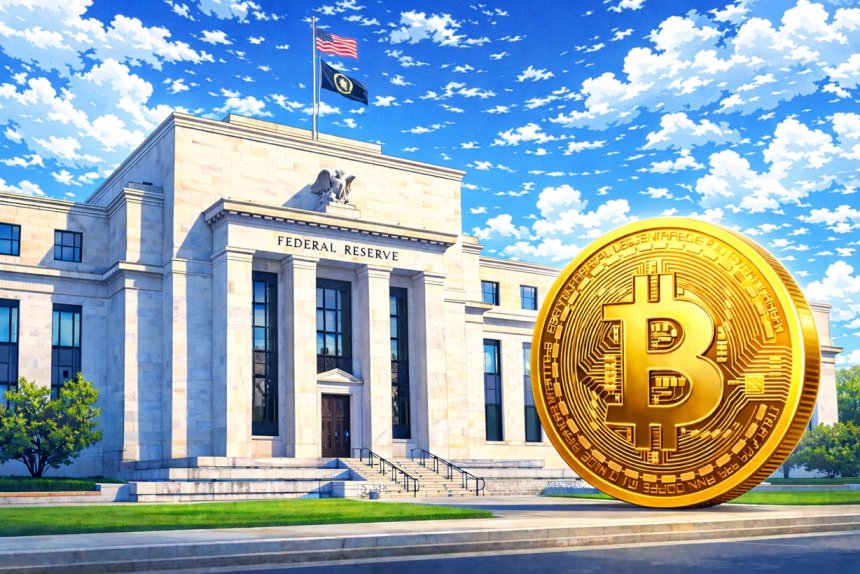
The U.S. Federal Reserve has withdrawn guidance issued in 2023 that had effectively limited banks—particularly uninsured institutions—from accessing the Fed’s systems and operating in the cryptocurrency space. Announced on December 17, 2025, the decision marks a significant shift in how the banking sector approaches digital assets.
The new stance emphasizes support for responsible innovation among banks supervised by the Federal Reserve. As Vice Chair for Supervision Michelle W. Bowman noted, emerging technologies can improve banks’ efficiency and enhance customer offerings, while still maintaining the safety and stability of the financial system.
The now-repealed 2023 guidance had previously served as a basis for denying some institutions—especially crypto-focused banks—access to the Federal Reserve’s payment systems. Its removal eliminates major barriers to banks’ engagement with assets such as Bitcoin and stablecoins.
This policy shift is not limited to the Fed alone. The Federal Reserve is working with the FDIC and the Office of the Comptroller of the Currency (OCC) to withdraw joint statements issued on January 3 and February 23, 2023, which had warned banks about risks associated with the cryptocurrency market. Regulators now acknowledge that the market has matured and that banks’ risk management practices have improved.
At the same time, the Commodity Futures Trading Commission (CFTC), under Acting Chair Caroline D. Pham, is dismantling outdated regulations and launching a pilot program. The initiative allows Bitcoin, Ether, and USDC to be used as collateral in derivatives trading.
Following Donald Trump’s election to a second term, a Digital Asset Markets Working Group was established. Its efforts led to the passage of the GENIUS Act in July 2025—the first federal law regulating stablecoins. The new framework allows banks, among other things, to custody cryptocurrencies and act as intermediaries in crypto transactions.
With greater regulatory clarity, major U.S. banks—including Bank of America and JPMorgan Chase—are preparing to roll out new crypto-related services. These include digital asset trading and custody, as well as the development of blockchain-based solutions and the tokenization of traditional assets.