
Trump Wants to Make Everyday Payments Easier
Donald Trump has voiced support for exempting small cryptocurrency transactions from taxation in order to encourage their everyday use.

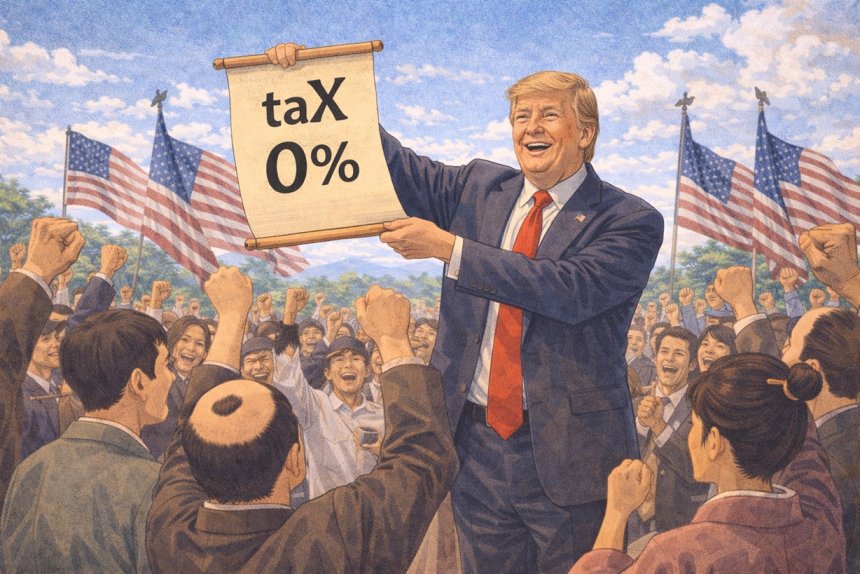
President Donald Trump has backed a proposal to eliminate taxes on minor payments made in Bitcoin and other cryptocurrencies. According to the White House, the goal is to make digital assets easier to use in daily life and to reduce bureaucratic hurdles that currently discourage people from using them for anything beyond investment purposes.
The proposal involves a so-called de minimis exemption. This would remove the obligation to calculate and report capital gains taxes on small crypto transactions. Such payments would include ordinary purchases, such as coffee, groceries, or low-cost services. By eliminating complex tax calculations, cryptocurrencies could become a practical means of payment rather than just an investment asset.
Under current U.S. regulations, capital gains must be calculated for every cryptocurrency transaction, even very small ones. This effectively limits the use of crypto to investment activity. Trump has long portrayed digital assets as a driver of financial innovation rather than a threat to the stability of the financial system.
News of Trump’s support for the tax exemption was positively received by the markets. Interest in Bitcoin increased, and a clearer regulatory signal improved investor sentiment.
Cryptocurrency advocates praise the proposal, arguing that it could accelerate merchant adoption of digital payments and make crypto more convenient for everyday use. Critics, however, say the move does not go far enough and are calling for deeper reforms to the tax framework governing digital assets. The debate highlights divisions within the crypto community itself.
Trump’s endorsement could also reignite discussions in Congress about updating regulations to keep pace with technological development. If the exemption were implemented, cryptocurrencies could become a permanent feature of retail commerce, without concerns over complicated tax reporting for small, routine payments.