Seasonal Mining Ban in Russia
Russia Reintroduces Winter Restrictions for Crypto Miners

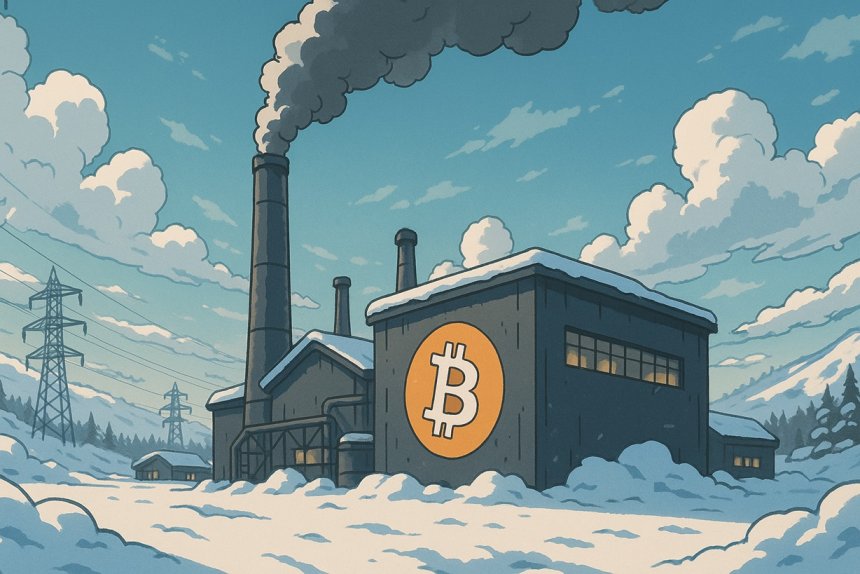
Russia has once again imposed a winter ban on cryptocurrency mining in Buryatia and Zabaikalye. The goal is to prevent power shortages during the peak demand season, when temperatures drop below zero and the energy grid is under the greatest strain. The restrictions are in effect from November 15 until March 15, 2026, and cover most areas of both regions, including Ulan-Ude, Chita, Aginskoye, and the closed administrative unit of Gorny.
Although Russia legalized cryptocurrency mining in November 2024, it quickly began limiting the industry due to growing energy deficits. Low, often subsidized electricity prices attracted a surge of miners, overwhelming local power networks. In several areas, temporary seasonal bans have already been replaced with permanent ones—lasting until 2031. The list includes regions in the North Caucasus as well as the occupied parts of Donetsk, Luhansk, Zaporizhzhia, and Kherson.
In Buryatia and Zabaikalye, the ban remains partial, but it will be reinstated every winter until 2031 unless the government decides to tighten it further. Discussions are ongoing, even though the Ministry of Energy stated in September that there was no need to expand the restrictions. Meanwhile, in the neighboring Irkutsk region—often called the “capital of Russian mining”—seasonal limitations have already turned into a permanent ban in the southern districts.
The cold climate is generally an advantage for miners because it helps cool the equipment. At the same time, harsh winters significantly increase energy use among residents, creating a conflict of interest. Kyrgyzstan faces similar challenges: due to low water levels and pressure on its energy system, the country has shut down all cryptocurrency mining operations until spring 2026.