
Russia Bets on Digital Assets
Russia plans to boost its economy by expanding digital assets and blockchain adoption by 2030.

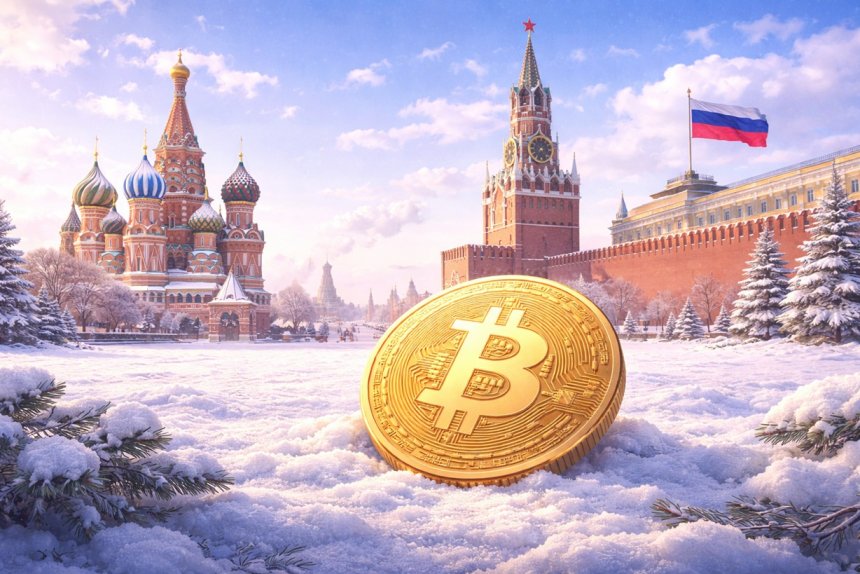
Russia is looking to open up its economy to the global market by leveraging digital financial assets and blockchain technology. The country is aiming for significant market growth by 2030 as part of this strategy.
The Russian central bank has proposed new regulations that would allow companies to issue digital financial assets on public blockchain networks such as Ethereum. This move is intended to attract foreign investment and modernize financial infrastructure.
Central bank governor Elvira Nabiullina emphasized that these changes are designed to bring in international capital and streamline cross-border transactions. Currently, digital financial assets in Russia are mostly limited to domestic platforms and are accessible only to a select group of investors. The proposed reforms could broaden access, opening the market to a wider range of participants, including those from abroad.
As a result, Russian companies could gain access to global liquidity and reach international investors despite existing sanctions. Additionally, the use of blockchain technology and smart contracts could simplify many processes and reduce costs for both issuers and investors.
Although legislation regulating digital financial assets has been in place since 2020, the market remains relatively small. According to Valery Tumin, it accounts for only about 2% of corporate issuance compared to the traditional bond market. However, banks are increasingly interested in this sector, as issuing digital assets takes just a few days and does not require the lengthy and complex registration process associated with bonds, which can take weeks or even months.
Experts, however, see strong growth potential. Natalia Milchakova from Freedom Finance Global estimates that by 2030 the market could reach 13 trillion rubles (approximately $160 billion). This would represent a twentyfold increase compared to investment levels projected for 2025.