Iran Cracks Down on Illegal Crypto Mining
Iran Struggles with Widespread Illegal Cryptocurrency Mining

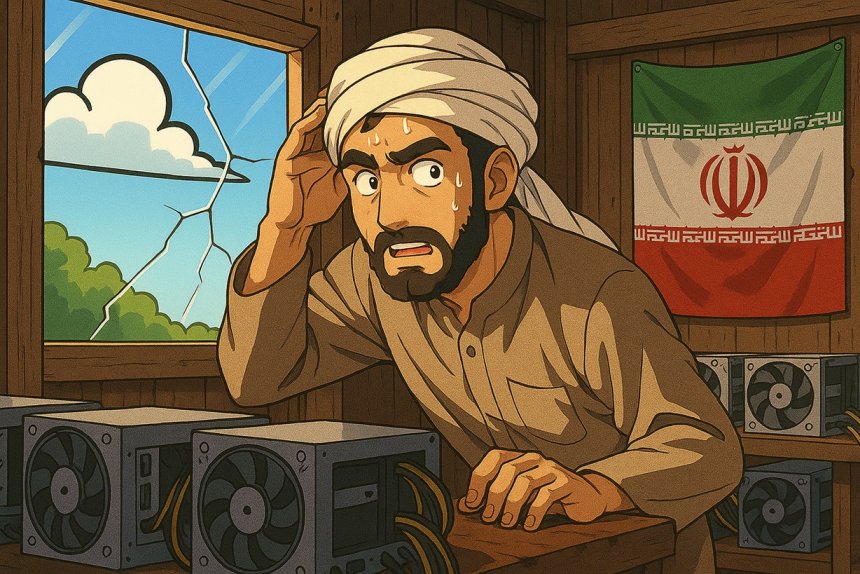
Iran is facing a serious problem with illegal cryptocurrency mining. According to government officials, as many as 95% of the 427,000 mining machines operating in the country are running without a license. This means that only a small fraction of the activity in this sector is actually legal.
Akbar Hasan Beklou, head of the Tehran Electricity Distribution Company, reported that Iran has become the fourth-largest cryptocurrency mining hub in the world. This growth is mainly driven by the country’s extremely low electricity prices, which attract miners but also encourage unlicensed operations.
Unauthorized mining farms consume more than 1,400 megawatts of power continuously, putting a heavy strain on the national electricity grid and increasing the risk of blackouts. Beklou added that many illegal operators pose as industrial facilities to gain access to cheaper, subsidized energy.
In recent months, authorities have intensified their crackdown on illegal mining operations. In the Tehran province alone, officials have shut down 104 unauthorized farms and seized 1,465 mining machines — an amount of power equivalent to the consumption of nearly 10,000 households. Most of the illegal sites were found in Pakdasht, Malard, Shahre Qods, and in southwestern industrial zones of Tehran. Some were even hidden in underground tunnels and factories using subsidized electricity.
Special inspection teams, working in cooperation with the police, continue to dismantle illegal mining setups. The government is also encouraging citizens to report such cases. Since August, a reward system has been in place — anyone who reports illegal mining equipment can receive one million tomans (around 24 USD) per confirmed report.

According to a June report by CoinLaw, Iran accounts for 4.2% of the global Bitcoin network’s computing power, ranking fifth worldwide. The largest share of the so-called “hashrate” belongs to the United States (44%), followed by Kazakhstan (12%), Russia (10.5%), and Canada (9%).