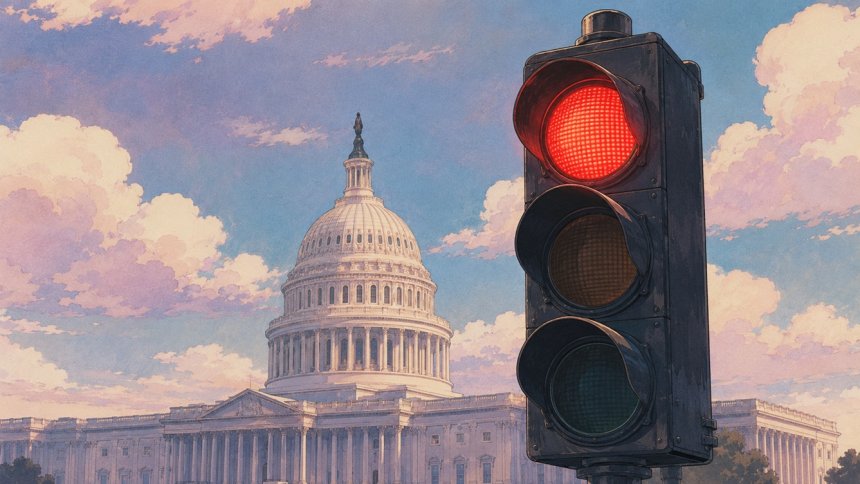
SEC Moves to Ease Market Rules
SEC proposes removing two key stock market rules, potentially opening new opportunities for tokenized assets and DeFi.


The U.S. Securities and Exchange Commission (SEC) is seeking to repeal two long-standing regulations that govern the American stock market. According to some analysts, the move could pave the way for broader adoption of tokenized U.S. equities within the decentralized finance (DeFi) ecosystem.
On June 11, the SEC proposed eliminating Rules 611 and 610(e) under Regulation NMS. Both rules have been in place since 2005 and have played a significant role in shaping how stocks are traded across U.S. markets.
Rule 611, often referred to as the “Order Protection Rule,” requires trades to be executed at the best available market price. Rule 610(e), meanwhile, restricts situations where quotations from different trading venues overlap or cross one another.
The SEC argues that removing these requirements could reduce costs for market participants while encouraging greater competition and innovation. The proposal also includes eliminating related definitions contained in Rule 600. A 60-day public comment period will begin once the proposal is published in the Federal Register.
SEC Chairman Paul Atkins stated that, after two decades of Rule 611’s implementation, it is time to assess its unintended consequences. In his view, certain provisions may have hindered market development rather than supported it. The proposed changes are intended to simplify market structure and lower operational costs for participants.
However, the proposal does not automatically authorize trading in tokenized stocks. It represents only the beginning of the regulatory process, during which industry participants and the public will have an opportunity to provide feedback.
Alex Thorn of Galaxy Digital highlighted the potential implications for the DeFi sector. He noted that Rule 611 has long been considered one of the biggest obstacles to integrating tokenized U.S. equities into decentralized finance. Automated Market Makers (AMMs), which execute trades using liquidity pools and pricing algorithms, generally cannot comply with the rule’s best-execution requirements.
Similar challenges arise under Rule 610(e), as prices within liquidity pools fluctuate based on trading activity and may not always align with quotes available on traditional exchanges.
Even if the SEC ultimately removes both regulations, tokenized stocks would still need to comply with other regulatory requirements. These include rules covering platform registration, clearing and settlement processes, as well as investor protection standards.
The SEC is also evaluating the possibility of introducing a limited regulatory exemption for innovative market structures. Such an exemption could allow tokenized shares of publicly traded companies to be issued and traded on blockchain-based platforms. These digital shares could retain the same rights as traditional equities, including voting rights and dividend entitlements.
SEC Commissioner Hester Peirce previously emphasized that any potential exemptions would likely be narrow in scope. They would primarily apply to digital representations of existing publicly traded shares rather than synthetic tokens that do not grant shareholder rights.
The proposal forms part of a broader regulatory shift surrounding the tokenization of real-world assets. Its final outcome, however, will depend on the public consultation process and the SEC’s future decisions.